
Drop the Ball
Heard something very wise recently:
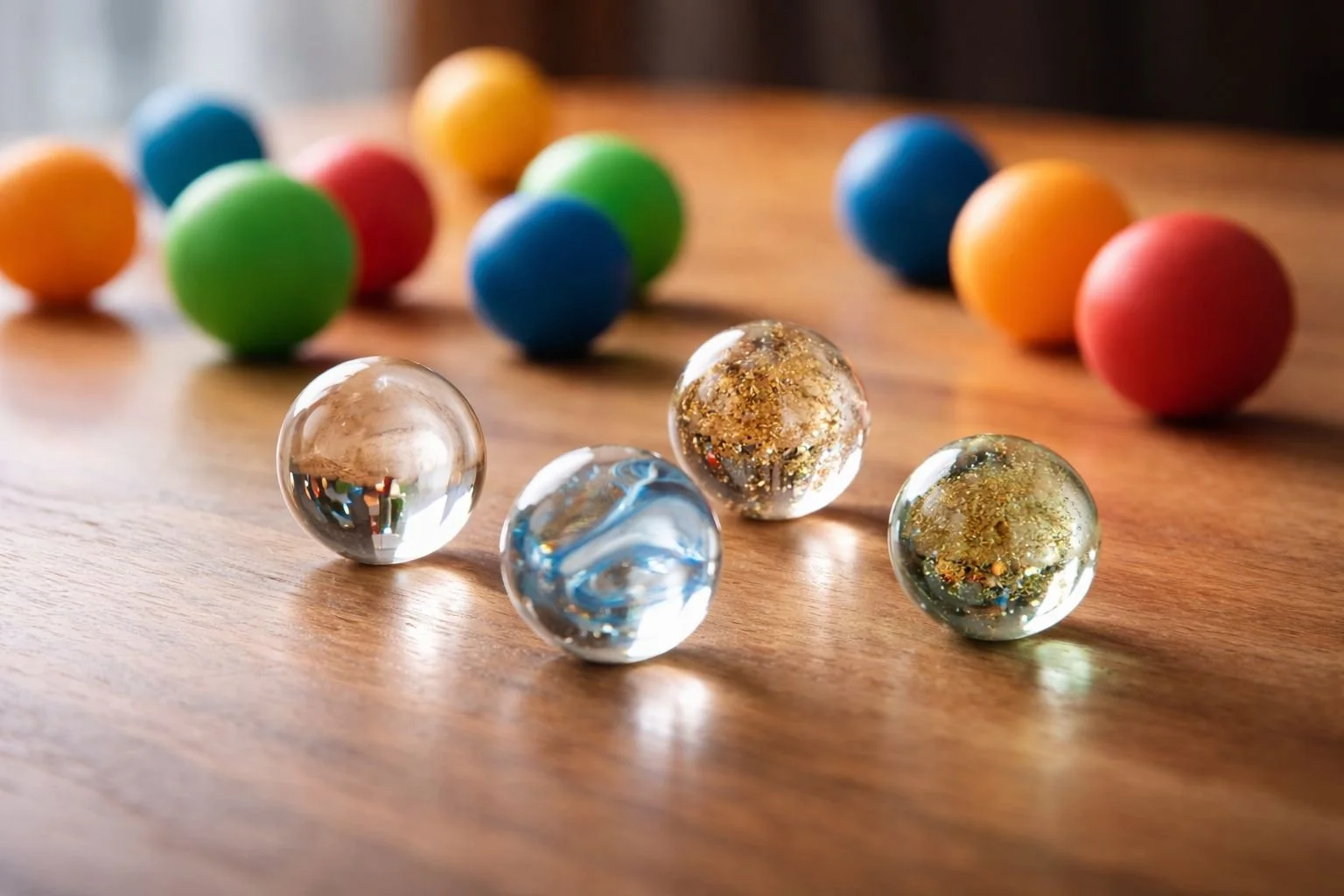
We’re all juggling a mix of rubber and glass balls. The skill isn’t keeping everything in the air. It’s knowing which ones are glass.
I think burnout happens when everything is treated like a glass ball. Sustainable work and parenting start when we decide which things are allowed to bounce.
I liked this framework as it echoes a book by Tiffany Dufu: “Drop the Ball: Achieving More by Doing Less”, which is built on the argument that you don't have to do it all to have it all. Dufu, a leadership expert and women's advocate, wrote it after hitting a personal wall trying to sustain a high-powered career while carrying the overwhelming majority of domestic and emotional labor at home.
The core ideas:
Modern society often expects women to excel at work while simultaneously managing all household responsibilities, a pressure with deep roots in historical gender norms that leads to burnout.
The "Couple's Compass" is a framework for aligning on household priorities, so partners are pulling in the same direction rather than one person silently absorbing everything.
Her practical tools include delegating tasks with joy, replacing resentment with direct communication about domestic workload, and using support networks to amplify impact.
Back to the ball analogy - some balls are indeed glass and they can shatter: your health, important relationships, your core identity, your children's sense of safety and attachment. Some balls are rubber and they can take the drop: the Instagram worthy packed lunch, the spotless house, the instantly returned email, the volunteering for one more thing.
Sometimes we confuse urgency with importance. Glass balls are rarely urgent. While a child's emotional development doesn't send a Slack notification, the inbox notifications feel urgent while in truth being signaling a rubber ball. So we spend our days in reactive mode, keeping rubber balls airborne while the glass ones quietly roll toward the edge.
Burnout isn't caused by working too hard but by treating everything as equally critical. When every ball feels like glass, you can never put anything down. You can never rest. The exhaustion isn't just physical but also the cognitive and emotional cost of sustained high-alert across every domain of life simultaneously.
What Dufu adds to this: The balls you're allowed to drop are often the ones other people assigned you, for example the cultural script that says a good mother, a good employee, a good partner does this specific thing, this specific way. A lot of what we treat as glass is actually just inherited expectation dressed up as necessity.
So how do you “juggle better?" Figure out which balls you’ve been treating as glass are actually rubber. For example:
Rubber: The house being guest-ready at all times. Responding to messages within the hour. Attending every optional work event.
Glass: Being present for a hard conversation with your kid. Protecting your sleep long-term. Showing up for a friend in a genuine crisis. Your own sense of self outside of your roles.
The same logic applies professionally. The people who last and lead are rarely the ones who treated every deliverable as equally critical. They developed the judgment to know what actually moves the needle versus what just feels urgent. That discernment is the real skill. Not speed or work volume. Knowing what to let bounce.
The goal is not to achieve perfect juggling but to get great at classification of issues. Get that right, and you don't need to be superhuman.
